Why Native Plants Matter in Florida
Imagine creating a garden that practically takes care of itself while supporting local wildlife. That’s the magic of Florida native plants! With over 4,700 native species, your garden can become a thriving ecosystem right in your backyard.
Top Native Plants to Transform Your Florida Landscape
Showstopper Shrubs
- American beautyberry with its stunning purple berry clusters
- Firebush that attracts hummingbirds like magic
- Bahama senna for a pop of yellow flowers
Jaw-Dropping Native Trees
- Southern magnolia with its massive, fragrant white blossoms
- Gumbo-limbo with its stunning peeling bark
- White stopper for compact landscaping
Butterfly and Bird Magnets
- Milkweed – the superhero for monarch butterflies
- Coral honeysuckle that hummingbirds can’t resist
- Cardinal flower with its brilliant red blooms
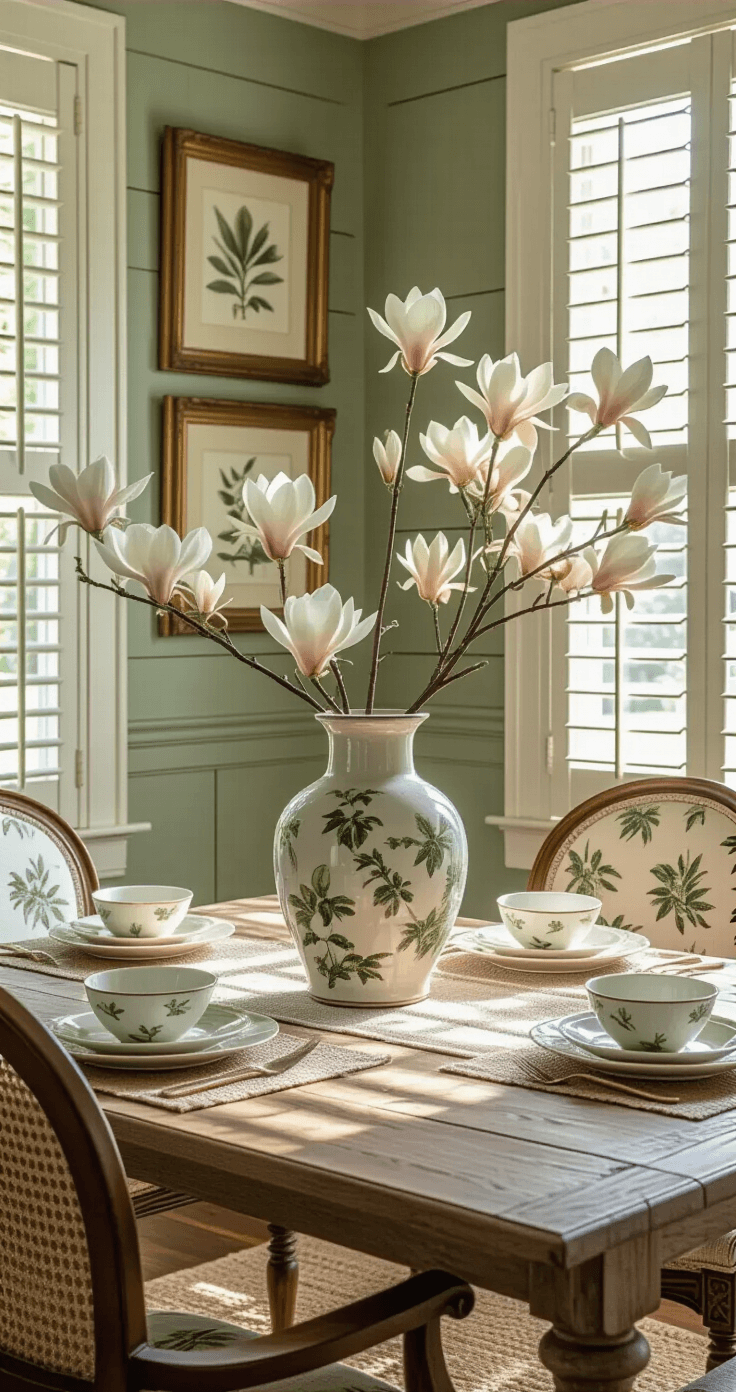
★ Steal This Look
- Paint Color: Sherwin-Williams Evergreen Fog SW 9130
- Furniture: weathered teak potting bench with galvanized steel top, reclaimed cypress outdoor dining set, woven seagrass storage ottoman
- Lighting: oversized rattan pendant with Edison bulbs, solar-powered brass path lights, hurricane glass lanterns
- Materials: rough-hewn coral stone, aged terracotta, untreated cedar, woven palmetto fronds, raw limestone gravel
There’s something deeply satisfying about watching a monarch caterpillar you’ve never seen before appear on your milkweed—it’s proof your yard has become part of something bigger than landscaping.
Benefits of Going Native
Why should you choose native plants? Let me break it down:
- Water-Wise: Forget constant watering – these plants are drought champions
- Wildlife Haven: Create a sanctuary for local butterflies, bees, and birds
- Low Maintenance: Naturally resistant to local pests and diseases
- Preservation: Help protect Florida’s unique botanical diversity
Pro Planting Tips
Soil Matters: Most Florida natives love well-drained, sandy soils. Think light and airy!
Sunlight Secrets:
Save this article
Enter your email and we'll send it straight to your inbox.
- Full sun lovers: Blazing star, Muhly grass
- Shade dwellers: Coontie, White stopper
- Versatile options: Firebush, American beautyberry
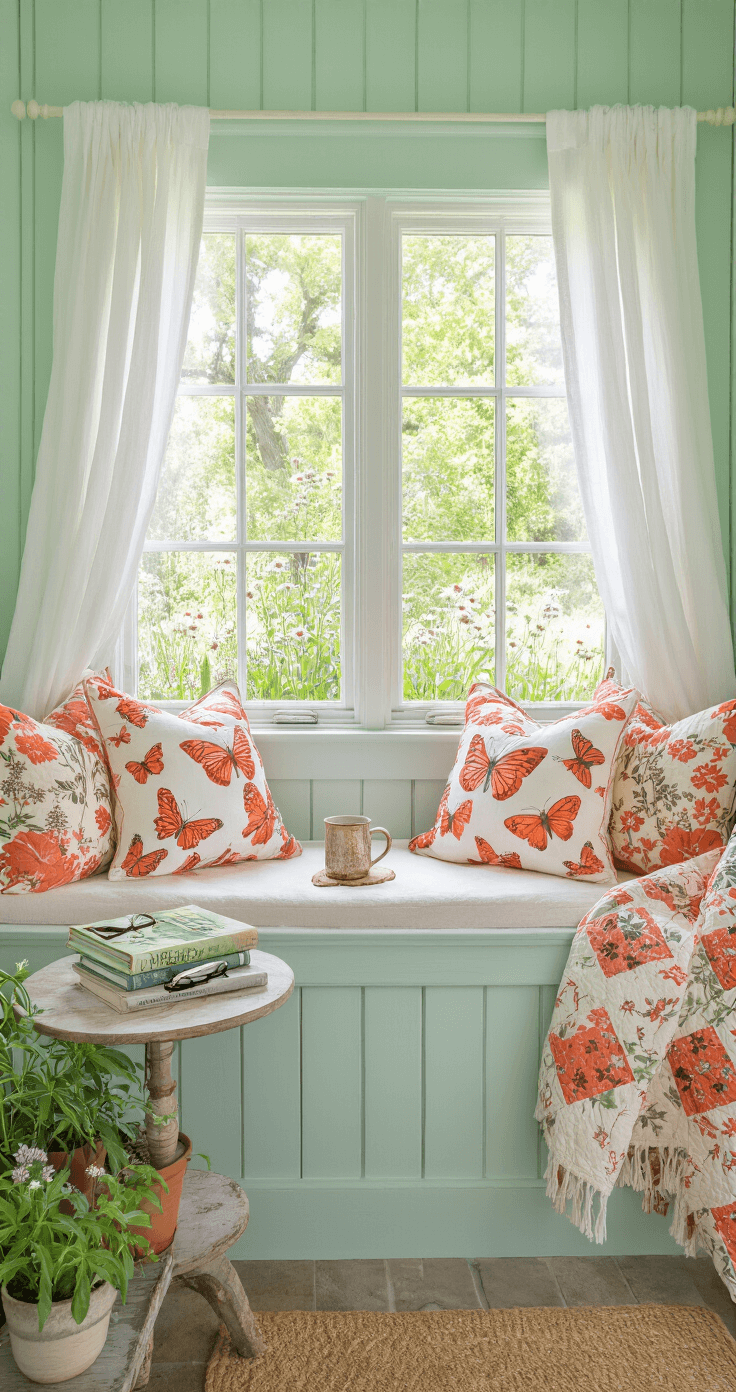
🌟 Steal This Look
- Paint Color: Benjamin Moore Soft Fern 2144-40
- Furniture: weathered teak potting bench with zinc top for indoor plant staging
- Lighting: oversized rattan pendant with warm LED Edison bulb
- Materials: unsealed terracotta, raw cedar planters, woven sea grass baskets, limestone gravel
There’s something deeply satisfying about watching a zebra longwing butterfly find your firebush from across the neighborhood—it’s a reminder that your home can actually heal a small patch of the world.
Must-Have Native Plants for Your Garden
- Muhly grass – Those pink feathery blooms are Instagram-worthy!
- Coontie – A living fossil that feeds rare butterflies
- Coral honeysuckle – Climbing vine that brings movement to your garden
Where to Find These Botanical Treasures
- Local native plant nurseries
- USF Plant Atlas online resource
- Florida Native Plant Society workshops
Pro Tip
Gardening gloves and a good pruning kit are your best friends when working with native plants!
Final Thoughts
Creating a Florida native plant garden isn’t just landscaping – it’s conservation in action. You’re not just growing plants; you’re supporting an entire ecosystem.
Ready to transform your yard? Start small, be patient, and watch the magic happen!
This post may contain affiliate links. Please see my disclosure policy for details.
Want to keep this one?
We'll email you the link so you can find it again later.