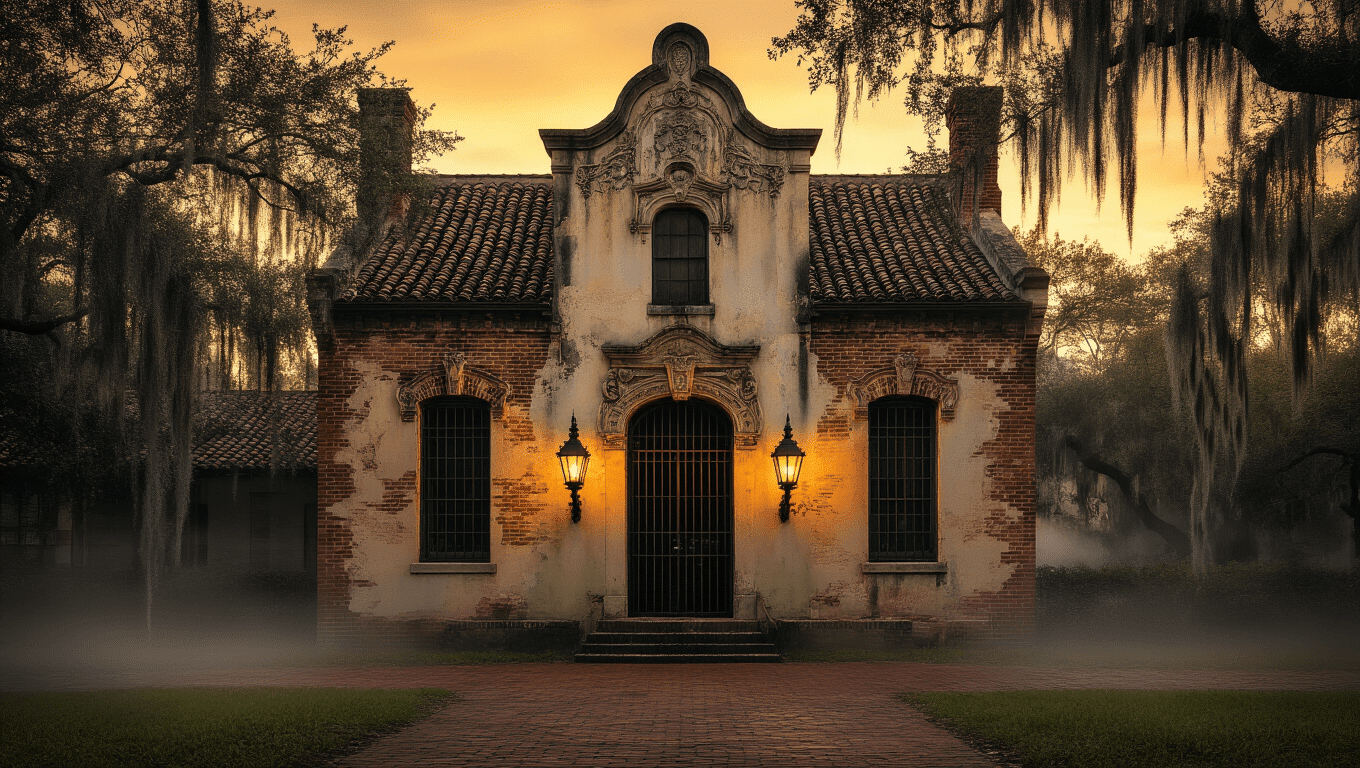
Visiting the Old Jail in St. Augustine might just be the most unexpectedly fascinating thing you do in Florida’s oldest city.
And I say “unexpectedly” because most people show up thinking it’s a quick tick-off-the-list kind of stop. They leave having genuinely learned something — and, depending on what time of day they visited, slightly unsettled.
So whether you’re planning a family day out, a history deep-dive, or you’re the kind of person who books ghost tours before you even sort your hotel, this guide has everything you need to know.
Let’s start with the obvious question.

What Exactly Is the Old Jail — And Why Do People Keep Talking About It?
The Old Jail is a former county prison built in 1891 that now operates as a living history museum at 167 San Marco Avenue, just north of St. Augustine’s downtown historic district.
It’s listed on the National Register of Historic Places, which tells you it’s not some tourist gimmick slapped together to sell tickets.
This was a real, working jail. It housed real criminals — some violent, some notorious — until it finally closed its doors in 1953. That’s over 60 years of inmates, guards, executions, escapes, and stories that didn’t make the newspapers.
Today, visitors walk through the actual cell blocks, past the gallows, and into the sheriff’s private living quarters — all guided by costumed actors who portray historical jailers and officials with a level of commitment that genuinely catches you off guard.
Here’s what makes it stand out from similar “museum jail” experiences:
- It’s theatrical without being tacky
- The history is genuinely dark and genuinely real
- The same site runs daytime educational tours and nighttime paranormal investigations
- It’s almost always bundled with St. Augustine’s famous trolley passes, so the value is hard to argue with
It’s one of those rare attractions that works for almost every type of visitor — more on that later.
Key takeaway: This isn’t a replica or a reconstruction. It’s the actual building, with actual history, told in a way that keeps your attention from start to finish.
The Surprisingly Complicated History Behind This Building
Here’s something that trips most visitors up when they first hear it.
The Old Jail wasn’t built because St. Augustine needed a better prison. It was built because Henry Flagler — the railroad and hotel tycoon who was essentially reshaping Florida’s east coast into a luxury destination — didn’t want his wealthy guests walking past a grubby, overcrowded jail on their way to his upscale hotels.
Flagler commissioned the new facility in 1891 specifically to relocate the jail away from his prime real estate. He wanted crime and poverty invisible to the tourists spending money in his city.
It’s a detail that says a lot about the era — and the guides don’t shy away from it.
A Building Designed to Deceive
The exterior is striking for entirely the wrong reasons.
The building is Romanesque Revival in style, with pastel paintwork, decorative detailing, and a façade that genuinely looks more like a Victorian resort than a maximum-security prison.
That was intentional. Flagler wanted the building to blend with the tourist architecture around it — to be, in essence, camouflaged.
Step inside, and the illusion collapses immediately.
The interior is divided into:
- Standard and maximum-security cell blocks for male inmates
- Segregated women’s quarters
- Isolation cells for the most dangerous or troublesome prisoners
- The gallows, preserved and accessible as part of the tour
- The sheriff’s living quarters, where the lawman and his family lived — right alongside the prison population
That last point tends to hit visitors harder than they expect. The sheriff’s rooms are period-furnished and genuinely comfortable-looking. The cells are about six feet away.
What Life Was Actually Like Inside
I’ll be honest — this is where the history gets uncomfortable, and rightly so.
By any modern measure, the conditions inside were brutal.
Cells were overcrowded. Sanitation was poor. Florida’s heat, combined with minimal ventilation, made summers inside the jail genuinely punishing. Discipline was harsh, and the concept of rehabilitation barely featured in the thinking of the day.
The jail operated for 62 years, from 1891 to 1953, and during that time it held some of the region’s most dangerous offenders. The guides share specific stories — crimes of passion, violent offences, attempted escapes — that put individual faces on what could otherwise feel like abstract history.
There are also persistent rumours that Al Capone may have spent time at the facility at some point. It hasn’t been definitively confirmed, but it’s the kind of local lore that adds a layer of intrigue to the visit.
After closing in 1953, the building was eventually restored and opened as a museum attraction. Its National Register listing ensures its preservation for future generations — which, given what’s contained within those walls, feels important.
Key takeaway: The history here is layered, morally complex, and deliberately well-told. Flagler’s motivations, the prisoners’ realities, and the sheriff’s domestic life create a surprisingly rich picture of a forgotten era.
The Daytime Tour: What Actually Happens When You Walk Through That Door
I visited on a Tuesday morning in late autumn — deliberately off-peak, because I wanted to actually hear the guide rather than spend the tour being jostled by a crowd of forty.
Best decision I made.
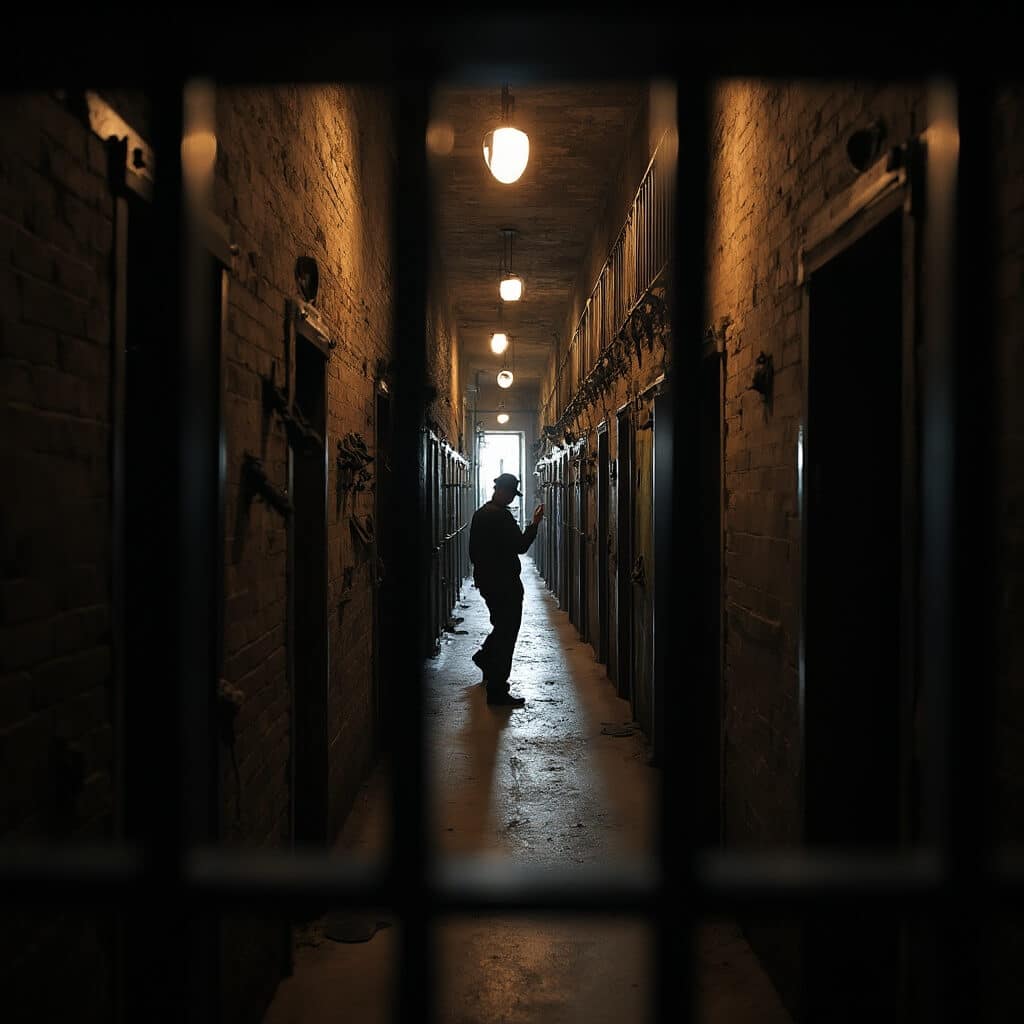
The guide was in full period costume — a convincingly stern-looking jailer — and launched straight into character before we’d even made it past the entrance. No awkward preamble, no long disclaimers. Just a firm instruction to stay together, and a look that suggested he meant it.
How the Tour Is Structured
Tours run throughout the day, departing roughly every 15 to 20 minutes from opening. Each tour lasts around 30 to 45 minutes, depending on group size and how many questions people throw at the guide.
The format is guided and interpretive — meaning you’re not handed a leaflet and left to wander. A costumed guide leads you through the facility, narrating as you go, staying in character but switching between storytelling and historical explanation with impressive ease.
The main stops include:
- The cell blocks — where bunk setups, restraints, and the sheer lack of personal space make the conditions viscerally clear
- The maximum-security area — tighter, darker, and considerably less pleasant than the standard cells
- The gallows and execution area — handled with care, but not sanitised
- The sheriff’s quarters — furnished to period, with a deliberately jarring contrast to everything you’ve just walked through
The guides are genuinely knowledgeable. They talk about daily routines — what inmates ate, how hygiene was managed (or wasn’t), what work assignments looked like, how punishment was handed out.
They also get into the bigger picture: chain gangs, regional law enforcement practices, and the 19th-century attitude toward punishment that prioritised suffering over any notion of reform.
The Stories That Stay With You
The case study approach — where guides walk you through specific crimes and specific individuals — is what separates this from a generic museum experience.
These aren’t composite characters or dramatic inventions. They’re real people who passed through those cells, and the guides present them with enough detail that it lands.
One story I heard involved a crime of passion that ended in a hanging. The guide described the legal process — the trial, the conviction, the mechanics of the execution — without sensationalising it. It was sobering in the best possible way.
The educational themes the tour covers include:
- The evolution of criminal justice thinking from punishment-first to rehabilitation
- The role race and class played in who ended up behind bars and why
- Flagler’s deliberate social engineering — keeping poverty invisible to protect the tourist economy
- What escape attempts looked like, and how they were dealt with
Why This Tour Works for More People Than You’d Expect
Families with older kids tend to get a lot out of it. The theatrical, character-led format keeps younger visitors engaged in a way that a standard museum rarely manages.
History enthusiasts will find the social context genuinely thought-provoking — this isn’t just crime history, it’s economic history, political history, and cultural history wrapped in a single building.
And if you’re visiting St. Augustine for the first time, this tour gives you a perspective on the city that none of the prettier, sunnier attractions can offer.
Key takeaway: The daytime tour is well-paced, properly educational, and memorable in ways you won’t anticipate. The costumed guides earn their keep — this is a long way from a self-guided wander.
After Dark: Ghost Tours, Paranormal Investigations, and the Question of What’s Actually In Those Cells
St. Augustine is widely regarded as one of the most haunted cities in the United States. It has the architecture, the age, the history of conflict, and — if you’re inclined to believe these things — the atmosphere to back that claim up.
The Old Jail sits squarely at the centre of that reputation.
The Two Main Nighttime Options
1. Ghosts & Gravestones-Style Trolley Tours
These are citywide ghost experiences that load visitors onto specially themed trolleys and make a series of stops across St. Augustine’s most reportedly haunted locations.
The Old Jail is one of those stops. You disembark, go inside, and get a version of the building’s history told through the specific lens of its haunted reputation — strange occurrences, reported apparitions, cold spots in the cell blocks, sounds that guides can’t (or won’t) explain away.
2. Standalone Paranormal Investigations
For a more intense experience, there are after-hours investigation sessions with smaller groups. These sometimes include basic ghost-hunting equipment and extended time in the cell blocks and gallows area.
Think less theatrical tour, more standing quietly in a dark cell wondering what that sound was.
What Visitors Have Reported
The most commonly described phenomena at the Old Jail include:
- Cold spots in specific cells and near the gallows area
- Unexplained sounds — footsteps, voices, metallic noises
- Visual disturbances reported in the maximum-security block
- A general sense of unease that visitors describe even on daytime tours
Whether you believe any of that or not, it’s worth noting that the building’s reputation isn’t manufactured for marketing purposes. It comes from a genuine history of suffering — overcrowding, harsh punishment, executions, and decades of human misery contained within those walls.
Researchers in the field of “dark tourism” — the academic study of travel to sites of death, tragedy, or suffering — note that sites with genuinely difficult histories carry a weight that visitors often respond to physically, regardless of their beliefs about the paranormal.
Dr. John Lennon, who coined the term “dark tourism” alongside Malcolm Foley in their 1996 paper, argued that such sites hold a unique power to prompt reflection on mortality and human behaviour in ways that conventional attractions simply cannot.
The Old Jail qualifies on every count.
Should You Do the Night Tour?
Here’s an honest take.
Do the night tour if:
- You’re visiting without young children
- You enjoy atmosphere and don’t mind a slower, more contemplative pace
- You want something memorable for an evening in St. Augustine after the daytime sightseeing is done
- Smaller groups and lower lighting don’t bother you
Think twice if:
- You’re bringing children under 10 — the combination of confined spaces, darkness, and graphic historical content can be genuinely distressing
- Mobility is a concern — the historic structure has stairs, narrow corridors, and uneven floors that become more challenging in low light
- You have sensory sensitivities — some tours use sound effects, and the enclosed spaces amplify everything
Night tours also have limited capacity, so booking in advance is essentially non-negotiable if you’re visiting during peak season or on a weekend.
Key takeaway: The ghost and paranormal experiences are well-crafted, atmospheric, and rooted in genuine history rather than cheap theatrics. Whether you’re a believer or a sceptic, the nighttime version of the Old Jail is a different experience entirely from the daytime tour — and worth doing if it suits your travel group.
Tickets, Timing, and Getting There Without Any Faff
Planning a visit to the Old Jail is straightforward, but a few details are worth knowing before you go.
Hours and When to Show Up
Day tours typically run from 9:00 a.m., with the last tours departing in the late afternoon around 4:30 p.m.
Save this article
Enter your email and we'll send it straight to your inbox.
The site observes early closures on certain holidays — Easter, Thanksgiving, and Christmas Eve — and closes entirely on Christmas Day.
When to visit for the best experience:
- Early morning (right at opening) — cooler temperatures, smaller crowds, more relaxed pace
- Weekdays over weekends — noticeably less busy, especially outside of school holidays
- Avoid peak summer afternoons — Florida heat plus a packed tour group inside a historic building with limited ventilation is not the experience you want
Tickets and What They Cover
Standard admission is available both on-site and online, with pricing tiers for adults, children, and sometimes seniors.
The real value tends to come from combo packages, which typically bundle the Old Jail with:
- Old Town Trolley hop-on/hop-off passes — covering multiple St. Augustine attractions in one ticket
- The Oldest Store Museum and other Old Town attractions
- Ghost trolley tours for an all-in evening experience
If you’re spending more than a day in St. Augustine, these bundles represent genuinely good value.
Booking tips worth following:
- Buy online in advance for weekend or holiday visits — same-day availability can be tight
- Night ghost tours fill up fast; reserve as early as possible, especially in autumn when demand spikes
- Check the official site for any seasonal promotions or updated pricing before you go
Getting There
The Old Jail sits at 167 San Marco Avenue, just north of the main historic district.
By car: Free on-site parking is available, which is a legitimate luxury in central St. Augustine.
By trolley: It’s a designated stop on the Old Town Trolley route, so if you’re already using a hop-on/hop-off pass, you can fold it into your day without any additional planning.
How long to allow: Budget 60 to 90 minutes for the full site experience — that includes waiting for your tour, the tour itself, time for photos, and a browse of the gift shop. If you’re combining with the trolley or ghost tour, add time accordingly.
The ticketing area, gift shop, and ghost tour boarding all operate from the same complex, which keeps the logistics simple.
As much as the logistics and history paint a clear picture of what this place is, the real question most visitors have is a more personal one — will I actually enjoy this, and is it right for the people I’m bringing with me?
For other interesting experiences in Florida, you might want to Eat Fresh Oysters in Apalachicola, Florida or Visit the Tampa Electric Manatee Viewing Center.
👇Find The Cheapest Flights To Anywhere Here👇
Who Actually Gets the Most Out of This Place (And Who Should Maybe Skip It)
The Old Jail has a broader appeal than most people assume going in.
But “broad appeal” doesn’t mean “universal appeal,” and there’s no point pretending otherwise.
The visitors who consistently get the most out of it:
- History enthusiasts — particularly anyone with an interest in 19th and early 20th century American social history, law enforcement, or the intersection of capitalism and urban planning. The Flagler angle alone gives you material to think about for days.
- Families with children aged roughly 10 and up — the costumed, theatrical format holds attention in a way that a traditional museum simply doesn’t. Older kids respond well to the storytelling approach, and the guides are experienced at reading a crowd.
- True crime and criminal justice followers — if you’re the kind of person who has opinions about the history of incarceration in America, this tour will give you a lot to work with.
- Paranormal enthusiasts and ghost tour regulars — the Old Jail’s reputation is legitimate and long-standing. This isn’t a Halloween pop-up. The haunted history comes packaged with the real history, and that combination is difficult to find elsewhere.
- First-time visitors to St. Augustine — if you want to understand what this city actually is beneath the pastel storefronts and horse-drawn carriages, an hour inside the Old Jail will do more for your understanding than most other stops on the tourist trail.
The visitors for whom it’s less straightforward:
- Families with very young children — the subject matter involves executions, harsh punishment, and genuine human suffering. For children under eight or so, that’s potentially distressing rather than educational.
- Anyone with a strong aversion to confined spaces — the cell blocks are exactly as claustrophobic as you’d expect an 1891 prison to be.
- Visitors who find the graphic discussion of punishment and execution genuinely upsetting — the guides handle these topics thoughtfully, but they don’t sanitize them.
The good news is that the site’s blend of daytime and nighttime options means most travel groups can find a version of the experience that suits them. A family with mixed ages might do the day tour together and let the adults return for the ghost tour later.
Key takeaway: The Old Jail works for a genuinely wide range of visitors, but knowing your group’s comfort levels before you arrive saves surprises on the day.

Accessibility at the Old Jail: The Honest Version
Most attraction websites describe accessibility in the most optimistic terms possible. I’d rather give you the practical picture.
The Old Jail is a historic structure built in 1891. That means it was designed with zero consideration for modern accessibility standards, and while efforts have been made to accommodate visitors where possible, there are real limitations.
Mobility considerations:
- The building has stairs, narrow corridors, and uneven flooring throughout.
- Some areas of the tour route may be partially restricted or inaccessible for visitors using wheelchairs or mobility aids.
- The maximum-security block and some isolation cell areas are particularly tight — these sections are difficult to navigate without full mobility.
- Night tours compound these challenges, given the lower lighting levels.
If mobility is a concern, I’d strongly recommend calling ahead rather than relying on general descriptions online. The staff are familiar with the building’s limitations and can give you a frank assessment of which parts of the tour will and won’t be accessible for your specific situation.
Sensory considerations:
- Some tours, particularly the ghost and paranormal experiences, use sound effects and dramatic lighting.
- Group presentations in enclosed spaces can get loud, particularly with larger crowds.
- The nighttime tours are darker, more intense, and operate in tighter spaces than the daytime experience.
Visitors with sensory sensitivities will generally find the daytime tour more manageable than the evening options.
One practical note:
If accessibility limitations mean you can’t complete the full tour route, mention this at the ticketing area before you start. The staff have handled this situation before, and there’s generally a way to make the experience work even if the full route isn’t accessible.
Key takeaway: Come prepared for a historic building with historic building limitations. A quick phone call before you visit is worth more than any online description when accessibility is a genuine concern.
What I Noticed That Most Reviews Don’t Mention
I want to share something that didn’t make it into the official description of the place — and that I’ve heard echoed by other visitors who’ve been there more than once.
There’s a moment, somewhere around the halfway point of the daytime tour, when the theatrical element drops away.
Not intentionally. Not as a technique.
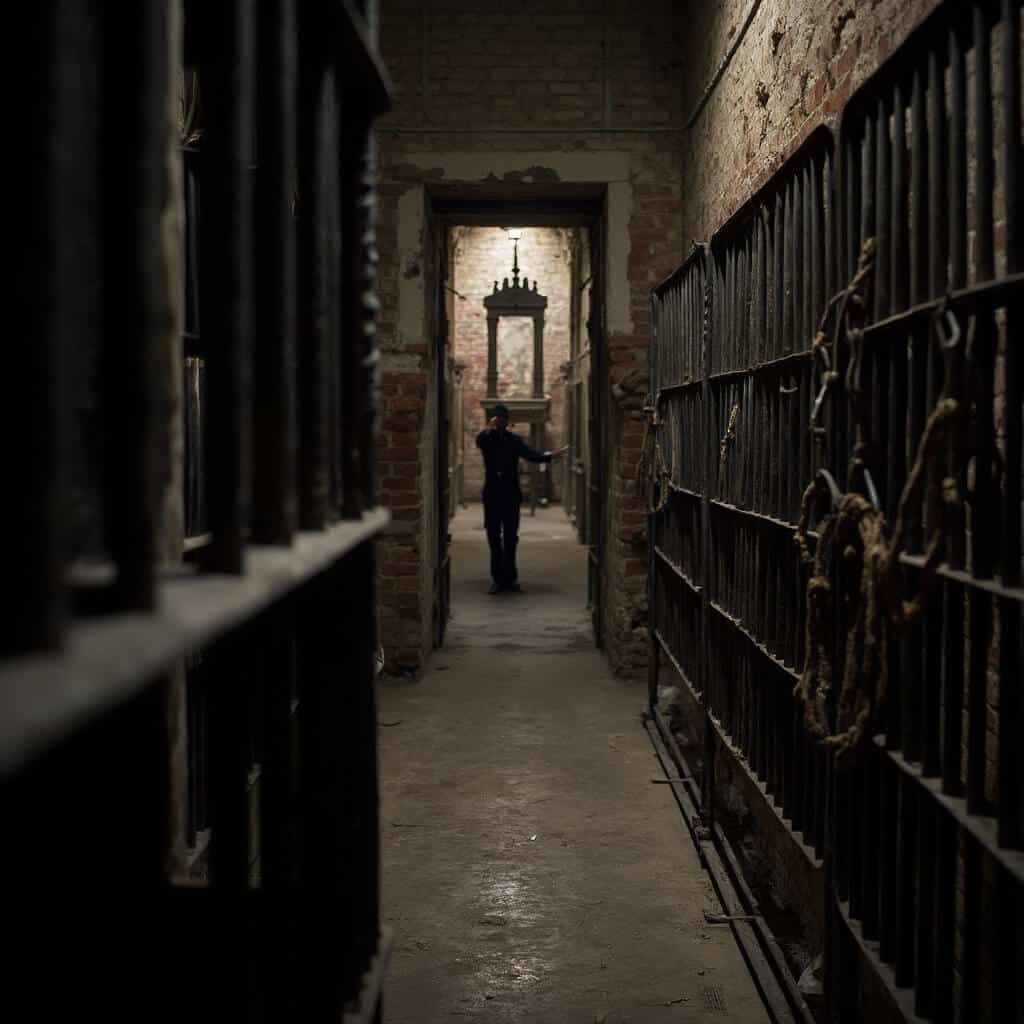
It happens when the guide is standing in the middle of a cell block, talking about what the inmates actually ate — the specifics of the rations, the monotony, the physical deterioration that came from months or years of that diet in those conditions — and you realize that this isn’t a story.
These were specific people. In this specific room. Living through something genuinely terrible.
The best guides let that land without rushing past it.
I watched a group of teenagers — who had spent the first ten minutes of the tour doing what teenagers do, which is performing a studied lack of interest — go completely quiet at that point.
One of them asked, unprompted, whether any of the prisoners had ever been proved innocent after the fact.
The guide paused, then gave a careful, honest answer about the limitations of the justice system at the time and the absence of any formal appeals process for most inmates.
It was one of the best pieces of public history education I’ve witnessed anywhere — not because it was slick or well-produced, but because it was real, and everyone in the room felt it.
That’s the thing about the Old Jail that’s hard to convey in a planning guide.
The building does something to you.
Not in a supernatural sense, necessarily — though you’ll hear plenty of arguments for that position on the ghost tour.
In the simple sense that it’s a place where the gap between history-as-abstract-concept and history-as-lived-experience collapses completely.
You’re standing where people suffered. The walls are still there. The cells are still there. The gallows are still there.
That’s not common, even among historic sites.
Nearby Attractions Worth Pairing With Your Visit
The Old Jail sits in a part of St. Augustine that rewards a slow walk rather than a quick exit back to your car.
A few options worth considering if you’re building a full day around the area:
- The Fountain of Youth Archaeological Park is roughly ten minutes north and offers a genuinely different kind of Florida history — Spanish colonial and Timucuan Indigenous history told through an active archaeological site. It’s a useful counterpoint to the Old Jail’s 19th-century focus.
- The Lightner Museum, housed in the former Hotel Alcazar — one of Flagler’s own projects — gives you the other side of the social equation the Old Jail raises. Seeing Flagler’s luxury hotel vision alongside the jail he funded to keep poverty invisible is a combination that sticks with you.
- The Colonial Quarter is a living history museum in the heart of the downtown historic district that covers St. Augustine’s earlier periods of Spanish and British colonial rule. Combined with the Old Jail’s later history, it gives you a surprisingly comprehensive sweep of the city’s past in a single day.
If you’re using the Old Town Trolley pass — which you almost certainly should be, given the value — most of these stops are built into the route. The Old Jail’s location just north of the main historic district means you can move between attractions without backtracking or wasting time.
Key takeaway: The Old Jail sits in a part of the city that rewards exploration. Pair it with one or two nearby attractions and you’ve got a full day of genuinely substantive sightseeing.
The Gift Shop: Worth Five Minutes of Your Time
This feels like an odd thing to flag, but the gift shop at the Old Jail is better than the average attraction gift shop in ways that matter.
The stock leans toward St. Augustine history books, true crime volumes relevant to the region, and locally produced items rather than the generic fridge magnets and branded water bottles you’d find elsewhere.
If you want to continue reading about the history you’ve just walked through, there’s usually a reasonable selection of titles covering St. Augustine’s criminal history, Florida’s broader penal history, and the paranormal reputation of the city’s most notable sites.
It’s also a good place to let the group decompress for a few minutes after the tour — particularly if you’ve done the nighttime experience and the atmosphere has done its job on a few members of your party.
The One Piece of Advice I’d Give Anyone Who Asks
If someone asks me whether they should visit the Old Jail in St. Augustine, the answer is yes — with one condition.
Don’t rush it.
This is an attraction that rewards the visitor who arrived curious and leaves thoughtful over the one who arrived with a list of fifteen things to see and needed to be back at the trolley stop in thirty minutes.
The stories the guides tell are worth sitting with. The contrast between the sheriff’s comfortable quarters and the cells six feet away is worth looking at for longer than feels necessary. The gallows are worth standing in front of quietly for a moment.
St. Augustine’s reputation as one of America’s most historic cities is well-deserved, but it’s a reputation that can get buried under the gift shops and horse carriages and ghost tour marketing.
The Old Jail, at its best, cuts straight through all of that.
It’s a place that tells the truth about what a city actually is — not just the grand hotels and the ancient architecture, but the mechanisms of control, the people who were forgotten, and the conditions that shaped daily life for those at the bottom of the social order.
That’s not comfortable history. But it’s honest history.
And in a city as old as St. Augustine, honest history is exactly what you came for.
Plan enough time, go early, book the ghost tour if your group is up for it, and let the Old Jail in St. Augustine show you the side of Florida’s oldest city that most visitors never think to look for.
👇Ready To Book Your Trip?👇
This post may contain affiliate links. Please see my disclosure policy for details.
Want to keep this one?
We'll email you the link so you can find it again later.