Eating oysters in Apalachicola isn’t just about the food—it’s about tasting a piece of Florida history that almost disappeared forever.
You’ve probably never heard of this tiny fishing village tucked away on Florida’s panhandle, but locals will tell you it’s the real deal. No tourist traps, no overpriced mediocrity. Just honest-to-goodness Gulf oysters that have been feeding folks for generations.
But here’s what makes Apalachicola different from every other coastal town claiming to have the “best oysters”: this place actually earned the title through decades of dominance, then lost it all, and is now fighting to rebuild from scratch.
Why Everyone Called Apalachicola the “Oyster Capital of the World” (And What Happened Next)
The numbers don’t lie about Apalachicola’s oyster dominance.
For decades, Apalachicola Bay produced a staggering 90% of Florida’s oysters. Think about that for a moment—nearly every oyster eaten in the entire state came from this one small bay.
The town didn’t just stumble into this reputation. They earned it by perfecting the art of harvesting Eastern oysters (Crassostrea virginica) from the unique waters where the Apalachicola River meets the Gulf of Mexico.
These weren’t your average bivalves either. Apalachicola oysters grew large and meaty, with that perfect balance of salinity and sweetness that made them legendary across the Gulf Coast.
But success bred its own problems.
By 2020, overharvesting, environmental pressures, and the infamous “water wars” with Georgia had devastated the wild oyster population so severely that Florida Fish and Wildlife had no choice but to impose a complete moratorium on wild harvesting.
The “Oyster Capital of the World” suddenly couldn’t legally harvest its own wild oysters.
I remember talking to a third-generation oysterman at Lynn’s Quality Oysters in 2019, just before the closure hit. He showed me photos of his grandfather pulling up tonging boats loaded with oysters bigger than your fist. Then he pointed to the meager haul from that morning—maybe a dozen small ones after hours of work. The disappointment in his eyes told the whole story better than any government report ever could.
What Makes Apalachicola Oysters So Special (When You Can Actually Get Them)
The secret lies in Apalachicola Bay’s unique geography.
This isn’t just any old estuary. The bay sits at the perfect intersection where the Apalachicola River dumps fresh water into the salty Gulf, creating an ecosystem that oysters absolutely love.
The salinity levels shift constantly based on:
- River flow from upstream
- Seasonal rainfall patterns
- Gulf winds pushing salt water inland
- Tidal movements
This constant flux stresses the oysters just enough to make them develop incredible flavour complexity. When conditions align perfectly, Apalachicola oysters deliver a moderately salty taste with hints of sweetness and a full-bodied richness that’s hard to find elsewhere.
But here’s the catch—quality varies wildly.
Local oyster enthusiasts will tell you about the legendary harvest areas like “13 Mile,” west of town, where the oysters supposedly reach peak perfection. But they’ll also warn you that in bad years, even Apalachicola oysters can taste bland and watery.
The difference often comes down to timing and environmental conditions that year. Drought years? Forget about it. Perfect rainfall and river flow? That’s when magic happens.

The Dramatic Comeback Story You’re Witnessing Right Now
Most visitors have no idea they’re watching a resurrection in real time.
When the wild harvest shut down in 2020, many predicted the end of Apalachicola’s oyster culture. Instead, something remarkable happened—the community pivoted to aquaculture faster than anyone expected.
Today, more than 100 leaseholders farm oysters on small plots throughout the bay. These aren’t massive industrial operations, but 1-10 acre family businesses with names like:
- Saucey Lady Oysters
- Outlaw Oyster Company
- Semper Salty Oyster Company
The genius of this approach is that farmed oysters don’t deplete wild stocks since farmers source their “seed” oysters from hatcheries. It’s created a sustainable model that could actually work long-term.
Meanwhile, wild harvesting is making a carefully managed return.
Starting January 1, 2026, Apalachicola Bay reopened to limited wild oyster harvesting for the first time since 2020. The Florida Fish and Wildlife Commission allocated just 4,700 bags among commercial harvesters and allows recreational permits for only one bag per season.
These tight restrictions might frustrate traditionalists, but they’re exactly what’s needed to rebuild the wild population without repeating past mistakes.
Where to Actually Eat These Famous Oysters (The Insider’s List)
Skip the tourist traps—here’s where locals go for the real deal.
The Raw Bar Legends Everyone Talks About
Up the Creek Raw Bar sits right on the Apalachicola River with views that make you understand why people fall in love with this place. The oysters come fresh from local farms, served on ice with all the traditional fixings. But what sets it apart is the atmosphere—you’re literally watching working boats come and go while you eat.
Hole In The Wall Seafood and Raw Bar might have the most honest name in town. This tiny downtown spot doesn’t look like much from outside, but they’ve built a cult following by focusing obsessively on oyster quality. Reviews consistently mention their oysters come “with all the fixins,” which in Gulf Coast speak means they know what they’re doing.
The Station Raw Bar & Liquor Store operates out of a converted service station, which tells you everything about Apalachicola’s no-nonsense approach to good food. Family-run with cold beer, fresh oysters, and sports on TV. Sometimes the best experiences come from the most unexpected places.
Beyond Raw Bars: Full-Service Spots Worth Your Time
Owl Café deserves special mention for their oyster versatility. They serve everything from raw oysters to fried oyster po’boys, oyster stew, and creative preparations that go beyond typical raw bar offerings. Perfect if you’re traveling with people who want more than just raw shellfish.
The Franklin Café specifically highlights Indian Lagoon Oysters Co. on their menu—these are farmed oysters from nearby Indian Pass that many consider equal to traditional Apalachicola Bay varieties. The setting feels slightly more upscale without losing the authentic Gulf Coast vibe.
The Hidden Gem Across the Bay
Lynn’s Quality Oysters in nearby Eastpoint represents everything great about this region’s oyster culture. They’ve been in the Apalachicola seafood business for more than 40 years, selling both fresh oysters to take home and serving them at their attached raw bar.
Try Conch Fritters in Key Largo
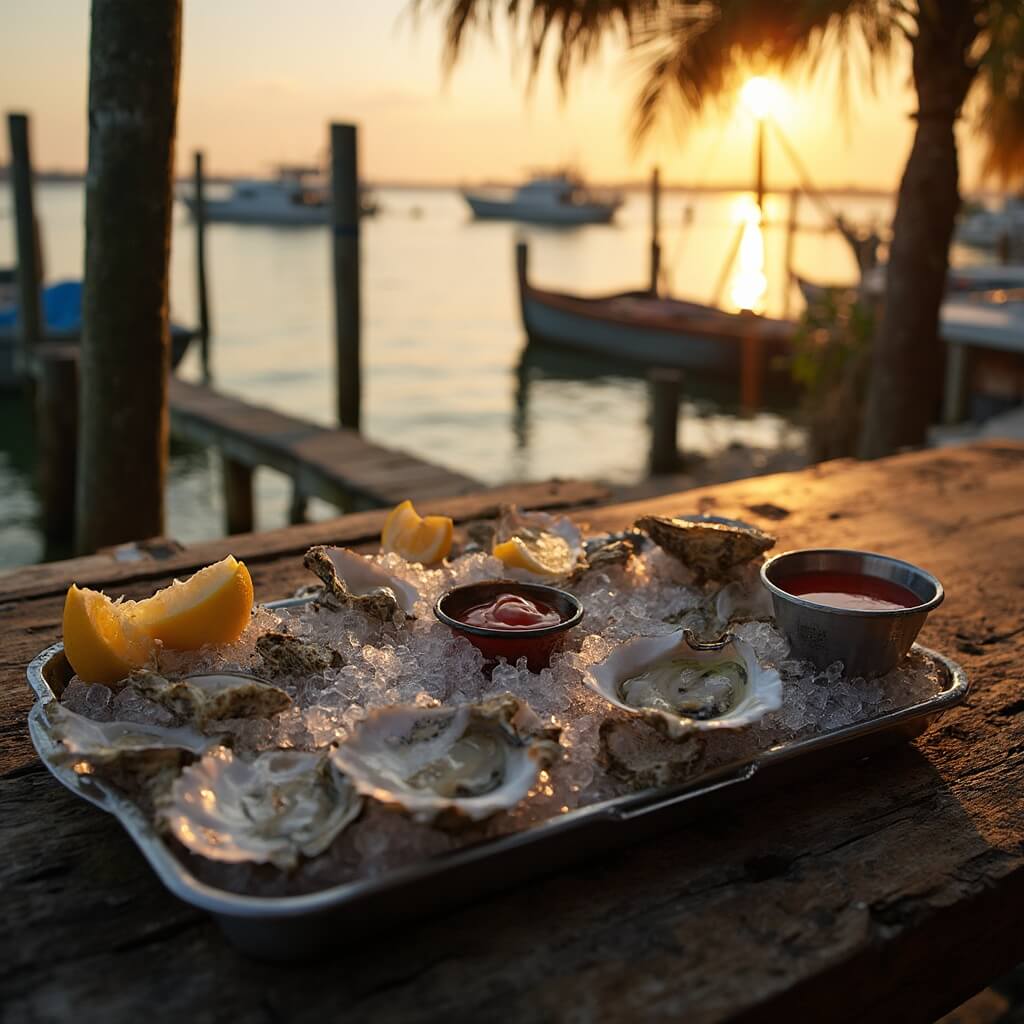
What makes Lynn’s special is the view—you can sit on their deck watching the sunset over Apalachicola Bay while eating oysters that came from those exact waters. They serve raw, steamed, and “topped” oysters with various house preparations that change based on what’s working best that day.
The key insight about eating oysters in Apalachicola today is understanding that you’re experiencing both an ending and a beginning—the twilight of the old wild-harvest culture and the sunrise of a more sustainable aquaculture future, with the flavours remaining just as extraordinary as ever.
👇Find The Cheapest Flights To Anywhere Here👇
How to Order Like a Pro (And Actually Get What You Came For)
Ordering oysters in Apalachicola requires a different approach than most coastal towns.
The biggest mistake tourists make is walking in and simply asking for “Apalachicola oysters” without understanding what’s actually available that day.
Here’s what actually happens when you order smart:
Raw Oysters: The Main Event
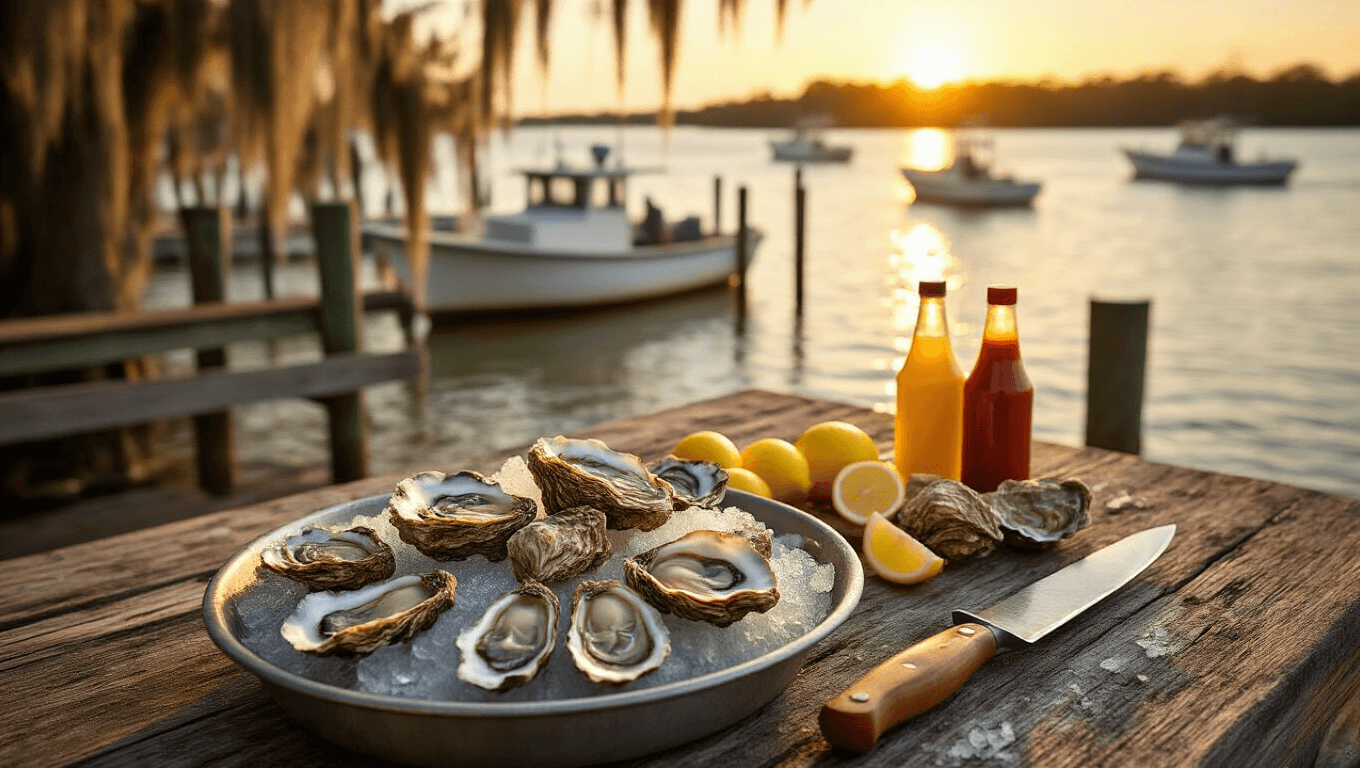
Most raw bars sell oysters by the dozen or half-dozen, served on ice with the Gulf Coast trinity: lemon wedges, cocktail sauce, and horseradish.
But here’s the insider move—ask your server about the sourcing. You might hear responses like:
- “These are from Saucey Lady’s farm in the east bay”
- “We’ve got Indian Lagoon oysters from yesterday’s harvest”
- “Local farmed from three different leases—want to try a mix?”
During the limited wild seasons (like the January-February 2026 window), some places might offer actual wild Apalachicola oysters, but expect to pay premium prices for the authentic experience.
Save this article
Enter your email and we'll send it straight to your inbox.
Pro tip: Order a half-dozen first to test quality before committing to a full dozen. Oyster conditions can change daily based on weather, harvest timing, and handling.
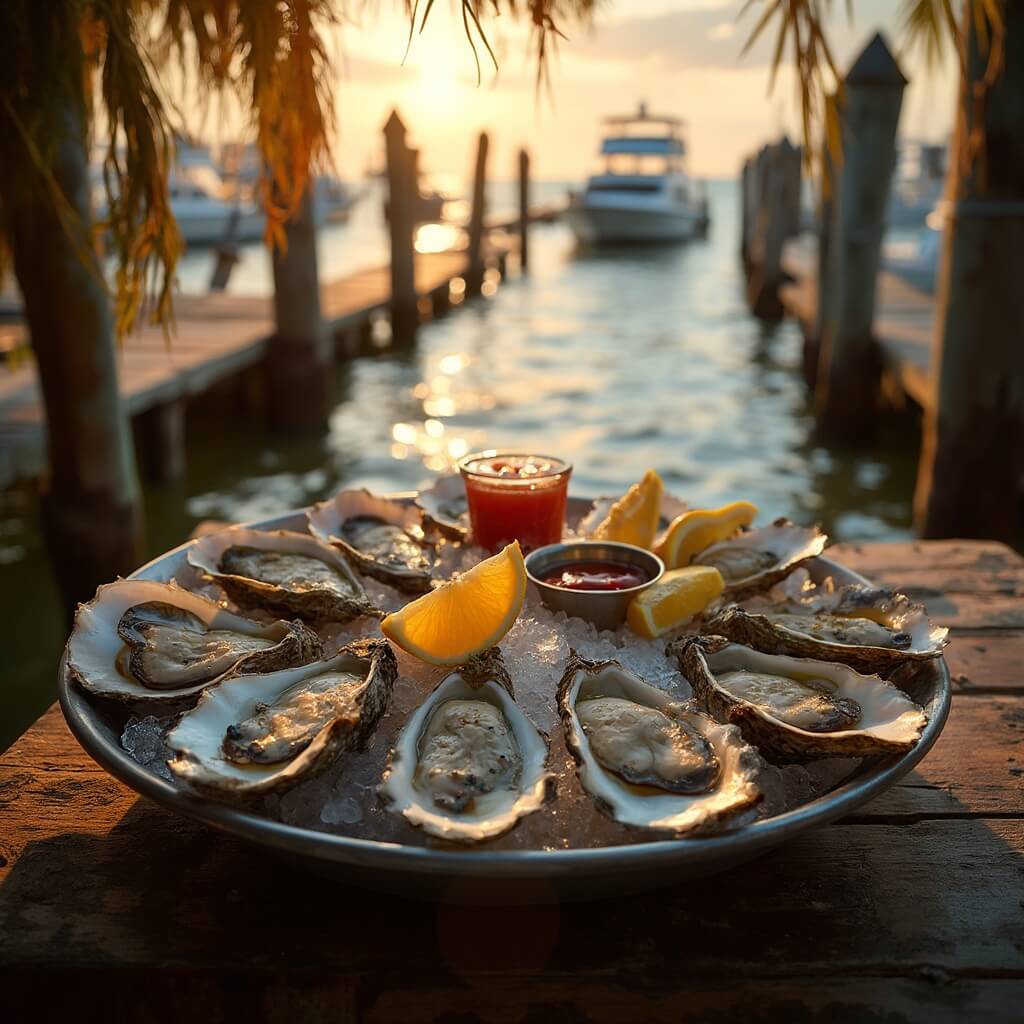
Cooked Preparations: When Raw Isn’t Your Thing
Fried oyster po’boys represent the ultimate comfort food version of the Apalachicola experience. Owl Café does theirs with crispy cornmeal coating that doesn’t overpower the oyster flavor.
Oyster stew becomes magical when made with fresh local oysters—the briny liquor creates a base that captures the essence of the bay in every spoonful.
Steamed and “topped” oysters at places like Lynn’s offer middle ground between raw and fully cooked. The oysters stay plump and briny while picking up flavors from garlic, cheese, or house-made sauces.
I learned this lesson the hard way during a visit in 2018. Ordered a dozen raw oysters without asking about sourcing and got served perfectly acceptable Gulf oysters from Louisiana. Nothing wrong with them, but I’d driven four hours specifically for the Apalachicola experience. The server later mentioned they had local farmed oysters available—I just needed to ask.
The Seasonal Reality Every Visitor Needs to Understand
Timing your visit makes all the difference between good and unforgettable.
Wild Harvest Windows (When They Actually Matter)
The new regulated wild harvest seasons create unique opportunities for oyster enthusiasts. The January-February 2026 season represents the first chance to taste wild Apalachicola oysters since 2020.
But understand the limitations:
- Only 4,700 bags allocated for the entire commercial fleet
- Most restaurants might get wild oysters for just a few days or weeks
- Prices will reflect the scarcity
The planned October 2026-February 2027 season offers a longer window, but availability still depends on successful restoration efforts and environmental conditions.
Year-Round Farmed Reliability
Aquaculture provides consistency that wild harvest never could. Local farmers like Outlaw Oyster Company and Semper Salty maintain steady production cycles, meaning you can usually find genuine Apalachicola Bay oysters even outside wild seasons.
The quality advantage: Farmed oysters often show more consistent flavor profiles since farmers can control growing conditions and harvest timing.
Food Safety Realities in a Changing Industry
Raw oyster safety requires extra attention in transition periods like Apalachicola is experiencing.
Established restaurants with decades of experience (Lynn’s, Owl Café) have refined their handling and storage systems. But newer establishments might still be learning proper oyster safety protocols.
Look for these positive signs:
- Oysters served ice-cold on proper ice beds
- Shells that close when tapped (for live oysters)
- No off-smells or unusual discoloration
- Clear labeling of harvest dates and sources
Skip raw oysters if:
- They smell strongly fishy or sulfuric
- Shells are already gaping open and won’t close
- The restaurant can’t tell you when they were harvested
- Ice looks dirty or melted
When in doubt, order them cooked. Frying or steaming eliminates safety concerns while preserving most of the flavor experience.
The Economics Behind Your Oyster Plate (Why Prices Vary So Much)
Understanding oyster pricing helps you make better choices and support the right businesses.
Local farmed oysters typically cost more than generic Gulf oysters because:
- Small-scale operations have higher per-unit costs
- Transportation distances are minimal (better quality)
- You’re supporting local economic recovery
Expect to pay premium prices for:
- Wild Apalachicola oysters during limited seasons
- Named farm brands (Saucey Lady, Outlaw, etc.)
- Restaurants emphasizing local sourcing
More affordable options include:
- Generic “Gulf oysters” from other regions
- Larger quantities at wholesale-focused spots
- Cooked preparations that stretch the oyster further
The price difference often reflects real quality differences, not just marketing. I’ve paid $18 for a dozen mediocre oysters in tourist areas and $24 for incredible local farmed oysters that made the trip worthwhile.
Beyond Oysters: The Complete Apalachicola Food Experience
Smart visitors use oysters as the centerpiece of a broader Gulf Coast food adventure.
Complementary Local Specialties
Gulf shrimp from the same waters that produce great oysters often appears alongside them on combination platters.
Apalachicola scallops (when in season) offer a sweet contrast to briny oysters.
Grouper and red snapper represent the broader fishing culture that supports oyster operations.
Coffee and Recovery Spots
Apalachicola Chocolate & Coffee Company provides the perfect post-oyster palate cleanser. After a dozen raw oysters and the salt-air atmosphere, good coffee and chocolate help transition back to civilization.
Planning Your Oyster Pilgrimage: Practical Logistics
Most people underestimate how much time to spend in Apalachicola.
Minimum Viable Visit
- Half-day: Hit one raw bar, walk downtown, drive home
- Full day: Multiple restaurants, Lynn’s in Eastpoint, explore the waterfront
- Weekend: Add St. George Island beaches, antiquing, deeper culture immersion
Best Times to Visit
- October through March: Cooler weather, better oyster conditions
- Wild harvest seasons: January-February for historical authenticity
- Weekdays: Less crowded, better service, fresher inventory turnover
What to Expect Transportation-Wise
Apalachicola sits about:
- 80 miles southwest of Tallahassee
- 60 miles east of Panama City
- 2.5 hours from Jacksonville
The drive through rural Florida highways becomes part of the experience—you’re literally leaving the modern world behind for something more authentic.
The Future of Apalachicola Oysters (What You’re Really Supporting)
Your oyster consumption today directly influences whether this culture survives or disappears.
Every order of local farmed oysters supports:
- Small-scale aquaculture businesses replacing depleted wild stocks
- Working waterfront preservation in an era of coastal development
- Traditional knowledge transfer from old-school oystermen to new farmers
The encouraging signs:
- Younger entrepreneurs entering oyster farming
- Restaurant partnerships with specific local farms
- Growing tourist interest in authentic Gulf Coast experiences
The remaining challenges:
- Climate change affecting water temperatures and salinity
- Competition from cheaper oysters shipped from other regions
- Balancing tourism growth with authentic character preservation
When you choose restaurants emphasizing local sourcing over generic Gulf oysters, you’re voting with your wallet for Apalachicola’s sustainable future.
The town survived the near-collapse of its signature industry by adapting without losing its soul. Your experience eating oysters here connects you to both that resilient history and the uncertain but hopeful future being built one farm lease at a time.
Whether you’re slurping raw ones at Up the Creek Raw Bar or savoring oyster stew at Owl Café, you’re tasting the remarkable story of eating oysters in Apalachicola.
All About Apalachicola Oysters
Apalachicola Oyster Industry Recovery Efforts
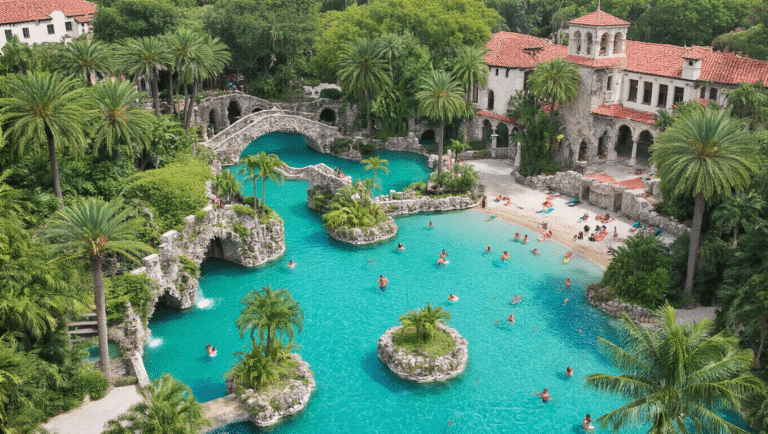
Visit the Venetian Pool in Coral Gables
Walk the Boardwalk at Hollywood Beach
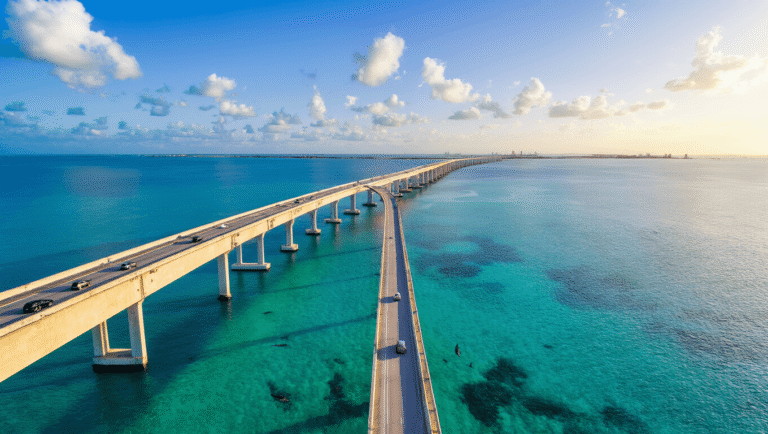
Take a Scenic Drive on the Seven Mile Bridge
Explore the Blowing Rocks Preserve
Watch Wild Horses at Paynes Prairie
👇Ready To Book Your Trip?👇
This post may contain affiliate links. Please see my disclosure policy for details.
Want to keep this one?
We'll email you the link so you can find it again later.